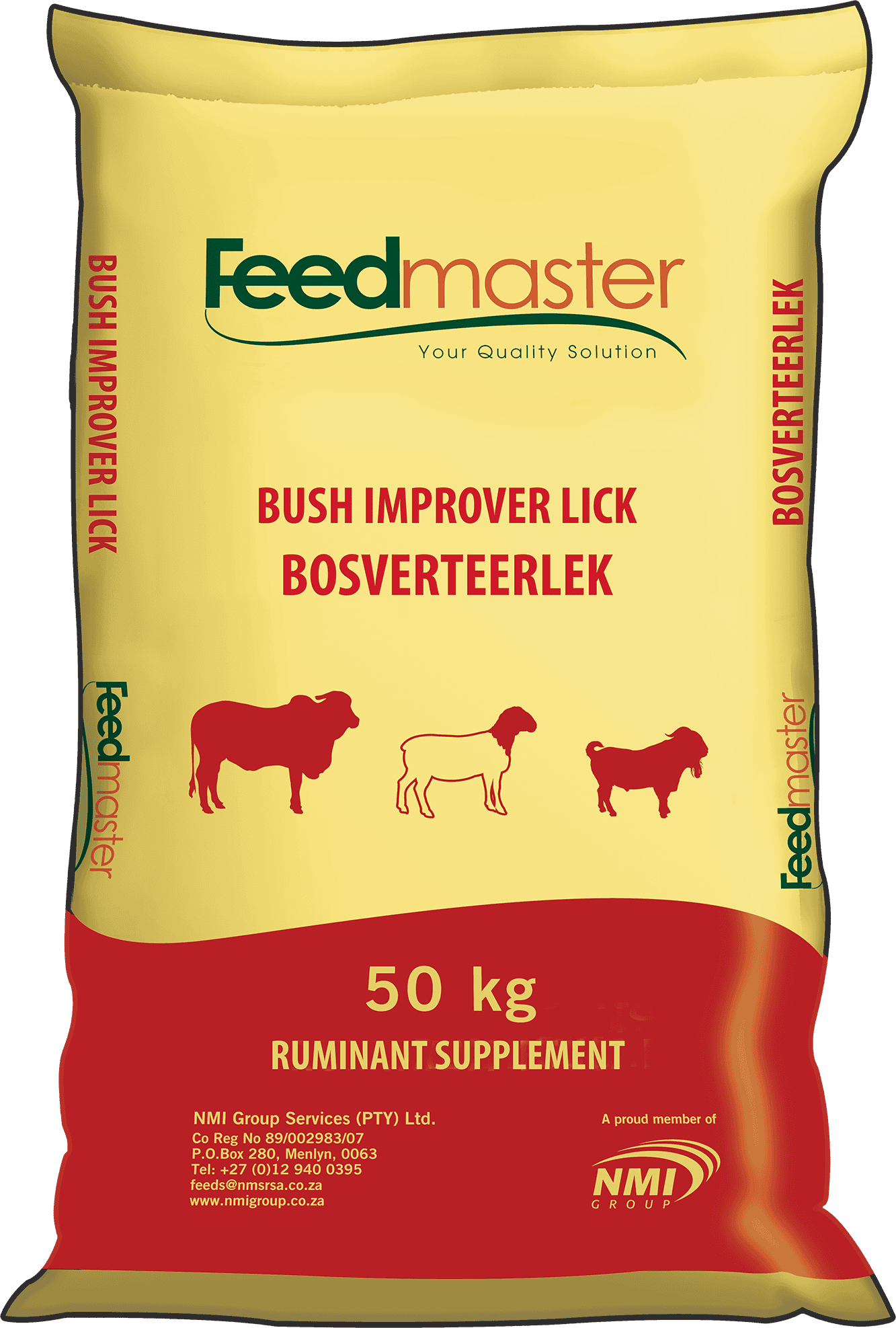
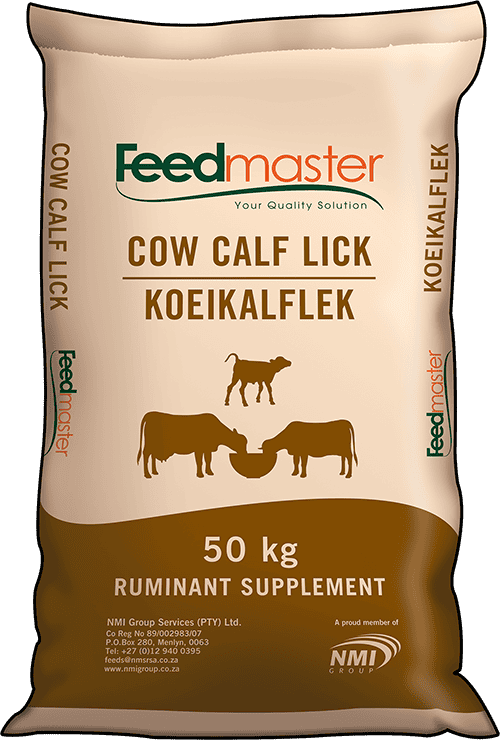
Although Namibia has experienced a good rainy season, urea-containing protein licks are still used to support rumen function and improve the digestion of dry, mature, and lignified grass.
What is Urea and Why Use It?
Urea is a non-protein nitrogen with a protein equivalent of 281%. The nitrogen in urea serves as a building block for microbial protein. Although it contains no nutrients other than nitrogen, it makes animal lick supplements much more cost-effective.
In the rumen, urea is converted to ammonia, which rumen microbes then use for their metabolism and the formation of microbial protein. The danger arises if more ammonia is released than the microbes can utilise; toxic levels can be reached because the liver cannot detoxify all the excess ammonia for excretion in urine.
The Danger of Urea Poisoning.
The onset of urea poisoning is exceptionally rapid, with the first signs appearing after just 10 minutes. Symptoms include tetany (muscle tremors), rapid breathing, bloating, and abdominal pain. The pH in the rumen also rises, which kills the essential microbiota.
Because of the severity of this type of poisoning, it is often fatal, and emergency treatments using vinegar, sugar, and cold water are rarely successful.
The Solution: Follow the Bag Ticket. Because treatment is rarely successful, prevention is critical. It is of the utmost importance to always follow the feeding and mixing instructions for animal feed to prevent animal losses. Lick concentrates must always be further mixed exactly as per the instructions on the bag tickets stitched into the bags. If used correctly, Feedmaster products provide safe and beneficial nutrition for ruminants.
Critical Management Practices:
- Satisfy Salt Hunger First: It is advisable to feed a phosphate lick, such as Futterfos P14 mixed one-on-one with salt, before feeding any protein licks. This satisfies the animal's salt hunger and effectively prevents overeating on the urea-containing lick.
- Gradual Adaptation: Protein and winter licks should always be introduced gradually throughout a two-week adaptation period.
- Keep it Dry: Care must be taken to prevent urea-containing licks from getting wet. Urea and molasses dissolve in rainwater, forming a tasty water that animals like to drink, which can subsequently lead to urea poisoning.